Chronic Rhinosinusitis – Emerging Insights Into Biofilms, Brain Fog and Persistent Inflammation
By Shaun French
Chronic sinusitis treatment is often more complex than simply addressing infection. For many people living with chronic rhinosinusitis (CRS), symptoms can persist for months or years despite repeated courses of antibiotics, nasal sprays, and even surgery. Beyond congestion and facial pressure, chronic sinusitis can significantly impact sleep, cognition, productivity, mood and overall quality of life.
At COMO Health Group, we frequently see people seeking support for persistent sinus symptoms, recurrent infections, post-nasal drip, reduced sense of smell and the associated fatigue and brain fog that often accompany the condition. Emerging research suggests that chronic rhinosinusitis may involve far more than a simple infection, with chronic inflammation, microbial biofilms, immune dysregulation and even changes in brain function now recognised as important contributors (Fastenberg et al., 2016).
What is Chronic Rhinosinusitis?
Chronic rhinosinusitis is defined as inflammation of the nasal passages and paranasal sinuses lasting longer than 12 weeks (Lee et al., 2022).
Common symptoms include:
- Nasal congestion
- Facial pressure or pain
- Post-nasal drip
- Thick nasal discharge
- Reduced sense of smell
- Headaches
- Fatigue
- Sleep disturbance
While these symptoms may seem localised to the nose and sinuses, research demonstrates that CRS can significantly impair health-related quality of life and place a substantial burden on both patients and healthcare systems (Lee et al., 2022).
Why Chronic Sinusitis Has Such a Big Impact on Quality of Life
Many patients describe chronic sinusitis as an invisible illness. Although it may not appear serious from the outside, the ongoing inflammation can influence nearly every aspect of daily life.
Research has shown that people with CRS commonly experience:
- Fatigue
- Reduced work productivity
- Sleep disruption
- Impaired concentration
- Brain fog
- Anxiety
- Depression
- Reduced enjoyment of social activities
These impacts are often overlooked, yet they can be among the most debilitating aspects of the condition (Lin et al., 2023).
The Emerging Role of Biofilms in Chronic Sinusitis
One of the most important developments in modern sinus research is the growing understanding of sinus biofilms.
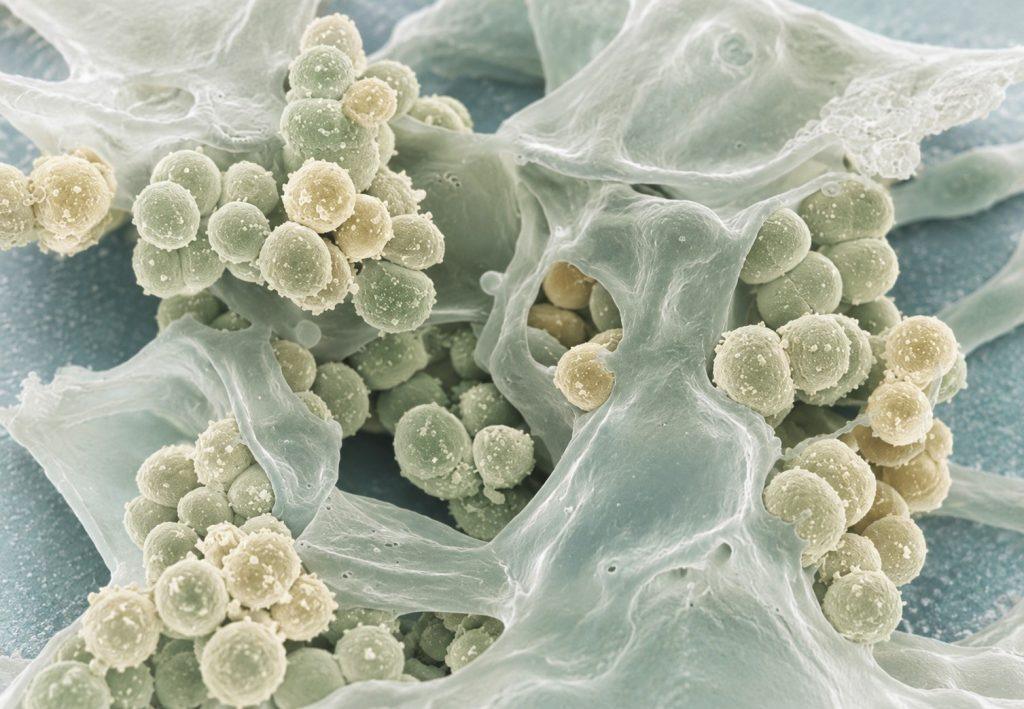
Biofilms are structured communities of microorganisms that attach themselves to tissues and surround themselves with a protective matrix made from proteins, polysaccharides and extracellular DNA (Fastenberg et al., 2016).
Rather than existing as individual free-floating bacteria, microorganisms within a biofilm function as a coordinated community.
This protective structure provides several advantages:
- Resistance to antibiotics
- Protection from the immune system
- Enhanced microbial communication
- Increased persistence within tissues
- Greater resistance to environmental stressors
Research suggests biofilms may contribute to more than 65% of chronic infections and are increasingly recognised as an important factor in chronic rhinosinusitis (Fastenberg et al., 2016).
Recent reviews have found that patients with CRS have a higher prevalence of biofilms than healthy controls and that biofilm presence is often associated with greater disease severity (Broderick et al., 2025).
Why Biofilms Are Difficult to Treat
One reason chronic sinusitis can be frustrating to manage is that biofilms behave very differently from free-floating bacteria.
The biofilm matrix can physically limit the penetration of antimicrobial agents while simultaneously protecting bacteria from immune attack. Within the biofilm, some microbes enter dormant states that make them less susceptible to conventional treatments (Jotic et al., 2025).
Biofilms also facilitate communication between microbial species through a process known as quorum sensing, allowing coordinated responses that improve survival and persistence (Fastenberg et al., 2016; Shamim et al., 2023).
This may help explain why some patients continue to experience recurrent symptoms despite multiple rounds of antibiotics.
Chronic Sinusitis and Brain Fog: What Does the Research Show?
Perhaps one of the most fascinating discoveries in recent years is the relationship between chronic sinusitis and brain function.
Patients with CRS consistently report symptoms such as:
- Brain fog
- Reduced concentration
- Slower processing speed
- Memory difficulties
- Mental fatigue
- Anxiety
- Depression
For many years these symptoms were dismissed as secondary consequences of poor sleep or chronic discomfort. However, neuroimaging studies now suggest there may be measurable changes occurring within the brain itself.
Using advanced MRI techniques, researchers have identified altered activity and connectivity in brain regions involved in emotional regulation, attention, cognition and information processing in patients with CRS (Lin et al., 2023; Lin et al., 2025).
One study found increased activity in the orbital frontal cortex, an area involved in emotional regulation, alongside reduced connectivity in the precuneus, a region strongly associated with cognitive function. Importantly, these changes correlated with both inflammation severity and anxiety/depression scores (Lin et al., 2023).
Another study demonstrated alterations in brain network connectivity that may contribute to CRS-related cognitive dysfunction (Lin et al., 2025).
How Might Chronic Sinus Inflammation Affect the Brain?
Researchers are still exploring the exact mechanisms, but several theories have emerged.
These include:
Chronic Inflammatory Cytokines
Inflammatory molecules produced within the sinonasal tissues may influence brain function and alter processes involved in mood, cognition and neuroplasticity (Lin et al., 2023).
Nasal-Brain Communication
The nasal cavity has direct anatomical connections to the central nervous system through the olfactory pathways. Researchers speculate that chronic inflammation may influence neural activity through these pathways (Lin et al., 2023).
Microbiome and Immune Interactions
Alterations in the sinonasal microbiome may affect immune signalling and neuroinflammatory processes, potentially influencing cognition and emotional wellbeing (Lin et al., 2023).
While much remains to be understood, the evidence increasingly supports what many patients have long reported: chronic sinusitis can affect far more than the sinuses alone.
Acupuncture for Chronic Sinusitis
At COMO Health Group, acupuncture is often incorporated into a broader treatment strategy for chronic rhinosinusitis.
A systematic review and meta-analysis found that acupuncture, either as a stand-alone therapy or as an adjunct to conventional treatment, was associated with improvements in symptom severity and quality of life in patients with CRS (Lee et al., 2022).
Researchers propose that acupuncture may influence inflammatory pathways, autonomic nervous system regulation and neuroimmune function. (Lee et al., 2022).
Naturopathy, Herbal Medicine and Nutritional Medicine
Modern research into biofilms has also generated interest in natural compounds capable of influencing microbial behaviour, biofilm formation and inflammatory pathways.
Various plant-derived compounds have demonstrated antibiofilm activity in laboratory studies through mechanisms such as:
- Interference with quorum sensing
- Disruption of biofilm formation
- Modulation of microbial communication
- Alteration of biofilm matrix integrity
(Shamim et al., 2023)
At COMO Health Group, herbal medicine, nutritional medicine and lifestyle interventions are selected based on the individual rather than a one-size-fits-all protocol. Our goal is to identify and address factors that may be contributing to ongoing inflammation while supporting overall resilience, immune function and recovery.

A More Comprehensive Approach to Chronic Sinusitis Treatment
As our understanding of chronic rhinosinusitis evolves, it is becoming increasingly clear that this condition extends well beyond the nose and sinuses.
The interaction between chronic inflammation, microbial biofilms, immune regulation, sleep quality, cognition and quality of life creates a complex picture that often requires a broader perspective than symptom management alone.
For many people, exploring integrative approaches that combine conventional care with acupuncture, naturopathy, herbal medicine and nutritional medicine may provide additional avenues of support while addressing some of the underlying factors contributing to persistent symptoms.
References
Broderick, D., Biswas, K., Kim, R., & Douglas, R. (2025). Polymicrobial biofilms in chronic rhinosinusitis: A scoping review. Journal of Medical Microbiology, 74, 002104.
Fastenberg, J. H., Hsueh, W. D., Mustafa, A., Akbar, N. A., & Abuzeid, W. M. (2016). Biofilms in chronic rhinosinusitis: Pathophysiology and therapeutic strategies. World Journal of Otorhinolaryngology – Head and Neck Surgery, 2(4), 219–229.
Jotic, A., Cirkovic, I., Bozic, D., Savic Vujovic, K., Milovanovic, J., Folic, M., Trivic, A., Cvorovic, L., & Radivojevic, N. (2025). Antibiofilm effects of N-acetyl cysteine on staphylococcal biofilm in patients with chronic rhinosinusitis. Microorganisms, 13(9), 2050.
Lee, B., Kwon, C. Y., & Park, M. Y. (2022). Acupuncture for the treatment of chronic rhinosinusitis: A PRISMA-compliant systematic review and meta-analysis. Evidence-Based Complementary and Alternative Medicine, 2022, 6429836.
Lin, S., Nie, M., Wang, B., Duan, S., Huang, Q., Wu, N., Chen, Z., Zhao, H., & Han, Y. (2023). Intrinsic brain abnormalities in chronic rhinosinusitis associated with mood and cognitive function. Frontiers in Neuroscience, 17, 1131114.
Lin, S., Nie, M., Wang, B., Huang, Q., Zheng, H., Chen, Z., Duan, S., Zhao, H., & Han, Y. (2025). Altered voxel-wise degree centrality of brain networks in patients with chronic rhinosinusitis: A resting-state functional magnetic resonance imaging study. Quantitative Imaging in Medicine and Surgery, 15(9), 8505–8514.
Shamim, A., Ali, A., Iqbal, Z., Mirza, M. A., Aqil, M., Kawish, S. M., Siddiqui, A., Kumar, V., Naseef, P. P., Alshadidi, A. A. F., & Kuruniyan, M. S. (2023). Natural medicine: A promising candidate in combating microbial biofilm. Antibiotics, 12(2), 299.