Understanding the Importance of the Vagus Nerve in Stress Regulation
The vagus nerve stands as a pivotal player in the intricate orchestration of the body’s stress response. As the longest cranial nerve, it meanders from the brainstem down through the neck and into the chest and abdomen, acting as a communication superhighway between the brain and various vital organs. This nerve is a cornerstone of the parasympathetic nervous system i.e. the body’s natural mechanism for rest, digestion, and recovery. When activated, the vagus nerve slows the heart rate, reduces blood pressure, and calms the mind, fostering a profound sense of relaxation and stability.
Chronic stress, on the other hand, can disrupt this delicate balance, keeping the body locked in a state of persistent alertness. The result? Elevated cortisol levels, digestive disturbances, and heightened anxiety, all of which undermine well-being. The vagus nerve’s ability to counteract these effects lies in its capacity to trigger the ‘rest and digest’ response, essentially pressing the body’s reset button. Stimulating this nerve can shift physiological gears, easing symptoms of stress and paving the way for emotional and physical restoration.
Understanding the vagus nerve’s central role in stress regulation not only highlights its biological significance but also underscores why therapies that target vagal activation, such as acupuncture, are gaining traction as holistic approaches to managing stress and fostering resilience.
How the Vagus Nerve Connects Body Systems and Influences Health
Through its complex web of connections, the vagus nerve influences heart rate, breathing patterns, digestion, and even immune response. When activated, it can slow the heart rate, reduce blood pressure, and promote a feeling of calm by counteracting the body’s stress-induced “fight or flight” response. This is crucial for restoring physiological balance and supporting overall well-being, as chronic stress can disrupt these essential physiological processes and lead to a wide range of health issues.
The Role of the Vagus Nerve in Health
- Regulating Digestion: It stimulates digestive organs, supporting nutrient absorption and gut health.
- Modulating Inflammation: The vagus nerve helps control inflammation throughout the body, contributing to immune function.
- Supporting Mental Health: By influencing neurotransmitter activity, it can impact mood, anxiety, and emotional balance.
Understanding the centrality of the vagus nerve reveals why therapies targeting its function, such as acupuncture, can be so effective in fostering holistic health and resilience to stress.
The Parasympathetic Nervous System and Its Role in Calming Stress
The parasympathetic nervous system (PNS) is a cornerstone of the body’s ability to recover from and adapt to stress. As one half of the autonomic nervous system (the other being the sympathetic nervous system, which triggers the body’s “fight or flight” response) the PNS acts as a powerful counterbalance. When the parasympathetic branch is activated, it initiates the “rest and digest” state, encouraging relaxation, energy conservation, and the restoration of internal balance.
During stressful moments, the body’s sympathetic nervous system ramps up, causing increased heart rate, shallow breathing, and muscle tension. In contrast, activation of the parasympathetic nervous system slows the heart rate, deepens the breath, and promotes digestion and cellular repair. This shift is crucial for both physical and emotional well-being, as it helps lower cortisol levels and allows the body to reset after being on high alert.
Key Functions of the Parasympathetic Nervous System
- Slows heart rate: Reduces cardiovascular strain and supports relaxation.
- Stimulates digestion: Enhances nutrient absorption and gut health.
- Encourages restorative processes: Facilitates healing and maintenance at the cellular level.
- Promotes emotional balance: Helps regulate mood and decrease anxiety.
Understanding the role of the parasympathetic nervous system sets the stage for exploring how targeted therapies, such as acupuncture, can harness its calming power to effectively support stress relief and holistic wellness.
Consequences of Reduced Vagal Activity on Overall Wellbeing
The vagus nerve serves as a vital communication highway between the brain and various organs, orchestrating critical functions that regulate our physical and emotional state. When vagal activity is diminished, the consequences ripple throughout the entire body, leading to pronounced effects on overall wellbeing. Reduced vagal tone impairs the body’s ability to manage stress, as the parasympathetic nervous system loses its regulatory influence. This imbalance places the sympathetic nervous system in a perpetual state of alert, making it difficult to relax, recover, or achieve restorative sleep.
Low vagal activity is closely linked to chronic stress, anxiety, and even depression. Without the calming influence of the vagus nerve, heart rate variability decreases, meaning the heart becomes less adaptable to changing emotional or environmental demands. This can leave individuals more susceptible to cardiovascular issues, digestive disturbances, and weakened immune responses. The gut-brain axis, mediated in large part by the vagus nerve, can also become disrupted, leading to gastrointestinal discomfort and inflammation.
- Impaired emotional regulation: Heightened feelings of anxiety and irritability.
- Increased inflammation: Greater vulnerability to chronic illnesses and autoimmune conditions.
- Poor digestive health: Symptoms such as bloating, indigestion, or altered bowel habits.
- Weakened immune system: Lowered resistance to infections and slower recovery times.
Understanding these consequences underscores the importance of nurturing optimal vagal activity for holistic health and resilience against daily stressors.
Current Research Linking Acupuncture to Vagus Nerve Activation
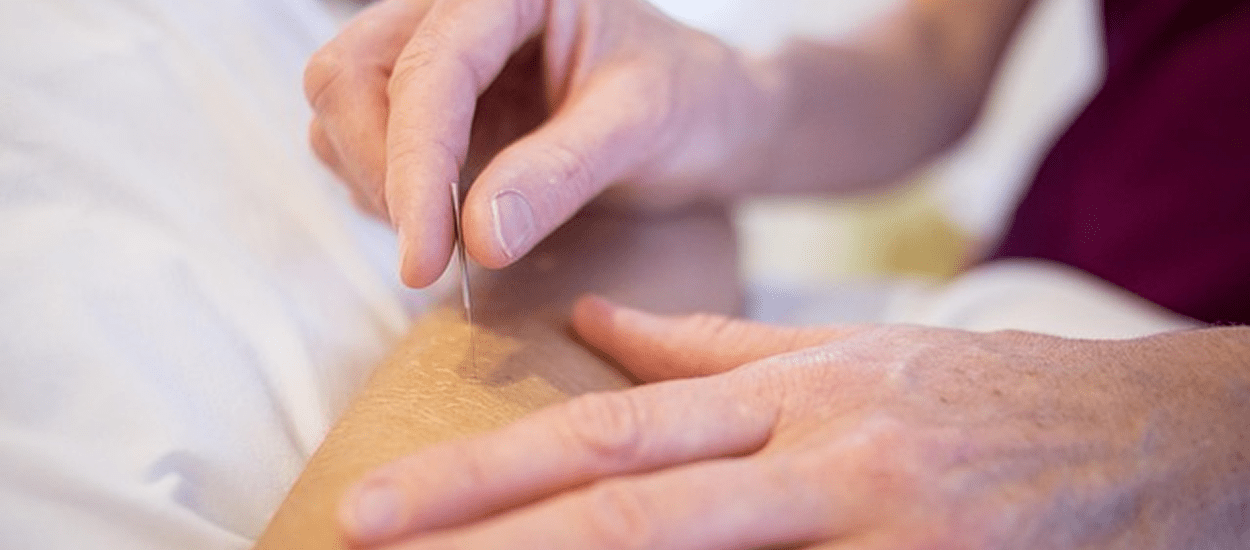
Recent scientific investigations have illuminated the fascinating connection between acupuncture and the activation of the vagus nerve. Contemporary human studies have demonstrated that acupuncture, particularly when applied to specific acupoints, can stimulate vagal activity, thereby promoting a parasympathetic state that encourages relaxation and stress relief.
Researchers have used advanced techniques such as heart rate variability (HRV) monitoring, functional MRI, and neurochemical assays to objectively measure the effects of acupuncture on the vagus nerve. These studies consistently show that acupuncture increases HRV, a key indicator of vagal tone and resilience to stress.
- Heart rate variability: A marker for vagus nerve activation and reduced stress.
- Neuroimaging evidence: Functional MRI scans reveal increased activity along vagal pathways during and after acupuncture sessions.
- Biochemical changes: Lowered stress hormone levels and improved neurotransmitter balance.
These findings underscore acupuncture’s potential as a non-pharmacological method for stress relief, setting the stage for deeper exploration into its mechanisms and long-term benefits.
At Como Health Group, this understanding shapes how we approach care. Rather than simply suppressing symptoms, our aim is to support nervous system regulation, creating the conditions your body needs to heal and adapt more effectively. For many people, this results in improvements across multiple systems, including digestion, sleep, mood, pain, and energy levels.
If you’re looking to support your nervous system and reduce stress naturally, explore our acupuncture services.
Acupuncture Services →
Most of us are approaching our health goals by making promises of more gym time, more runs, more yoga, more hikes, and more high-quality foods. While these intentions are positive, they can sometimes create additional tension and stress if the nervous system is already under strain. Perhaps addressing our nervous system first (particularly through supporting vagal nerve function) is key to better overall function, improved recovery, and a greater ability to sustain and enjoy our movement and lifestyle goals.
Yours in good health,
Como Health Group
Natural science at work
References
1. Jung, B., Yang, C., & Lee, S-H. (2024). Vagus nerve stimulation: Clinical implication and practical issue as a neuropsychiatric treatment. Clinical Psychopharmacology and Neuroscience, 22(1), 13–22.
2. Lim, H-D., Kim, M-H., Lee, C-Y., & Namgung, U. (2016). Anti-inflammatory effects of acupuncture stimulation via the vagus nerve. PLOS ONE, 11(3), e0151882.
3. Luo, W., Zhang, Y., Yan, Z., et al. (2020). The instant effects of transcutaneous auricular vagus nerve stimulation at acupoints on amygdala functional connectivity in migraine. Neural Plasticity, 2020, 8870589.
4. Wang, K., Alam, M. J., Lan, X., Li, F., & Chen, J. D. Z. (2025). Efficacy and mechanisms of neuromodulation in the treatment of irritable bowel syndrome. Bioelectronic Medicine, 11, 23.