An Integrative Approach to Pain at Como Health Group
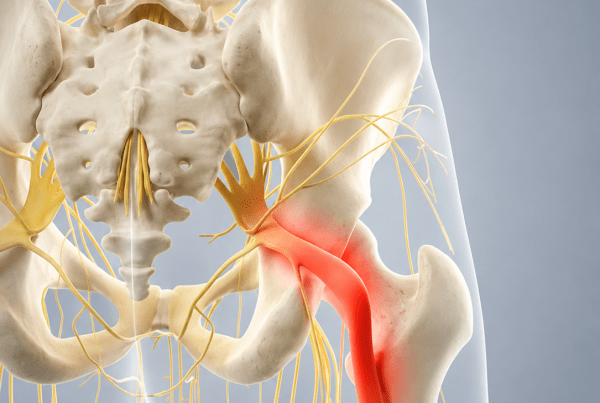
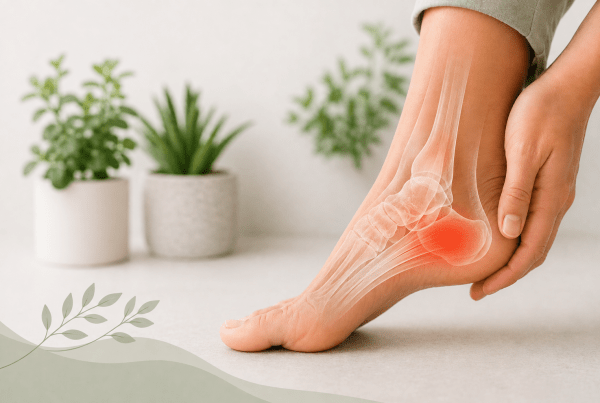
At Como Health Group, we have been using acupuncture point injection therapy, also known as biopuncture, as part of our integrative approach to pain and musculoskeletal dysfunction for many years. Biopuncture involves the injection of small amounts of British Pharmacopoeia (BP) compliant sterile saline into acupuncture points, trigger points, or areas of tissue dysfunction with the use of extremely fine needles similar to those used in acupuncture. The goal is to prolong stimulation of the treatment area and support the body’s own healing and regulatory mechanisms. In clinical practice, we commonly combine this therapy alongside acupuncture, naturopathy, rehabilitation strategies, and broader lifestyle support depending on the individual presentation. We have found it to be a valuable adjunctive tool in the management of persistent muscular tension, chronic pain, sports injuries, and inflammatory musculoskeletal conditions, including ligament and tendon injuries. As with much of our clinical approach, the goal is not simply symptom suppression, but supporting the body’s broader healing processes through a combination of evidence informed therapies tailored to the individual.
Importantly, acupuncture point injection therapy can only be performed by appropriately qualified and registered acupuncturists.
What Is Acupuncture Point Injection Therapy?
In Australia, only British Pharmacopoeia (BP) compliant sterile saline solutions are used in acupuncture point injection therapy. Unlike traditional acupuncture, which relies solely on needle stimulation, acupuncture point injection therapy introduces a small volume of saline into local tissues. This may prolong stimulation of the acupuncture point and enhance local therapeutic effects. The therapy has a long history of use in China and Eastern Europe and is now attracting increasing scientific interest for its potential role in chronic pain, musculoskeletal injuries, inflammation, osteoarthritis, back pain, and sports injury rehabilitation.
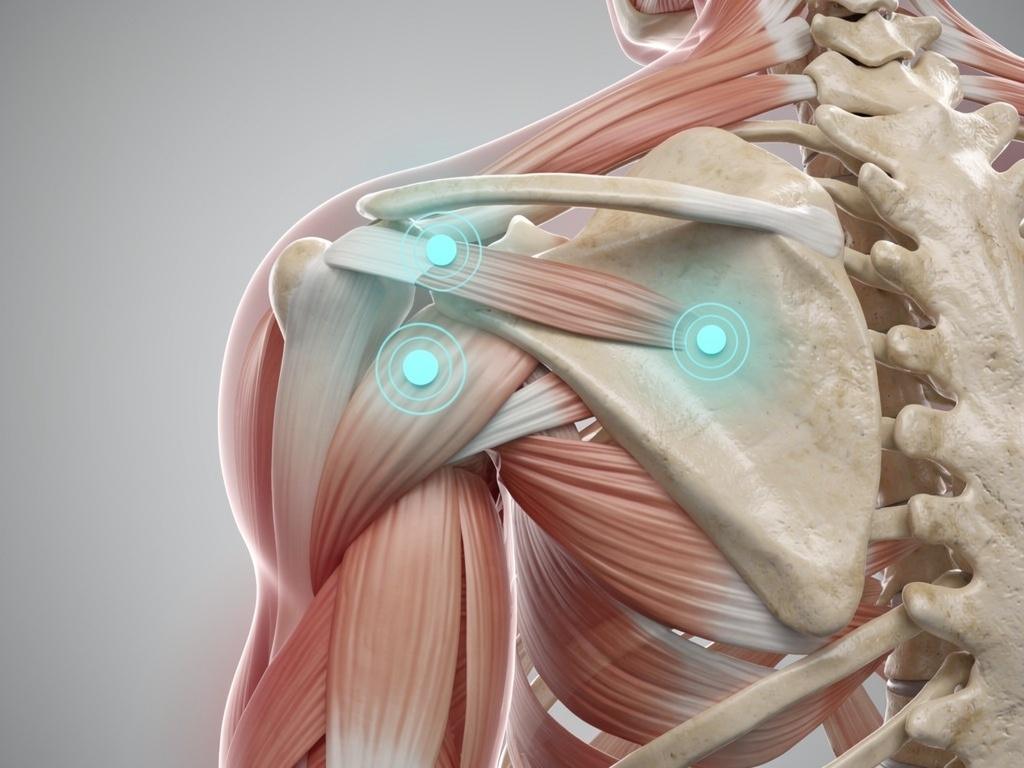
Acupuncture point injection therapy commonly involves the administration of very small amounts of saline using extremely fine needles similar to those used in acupuncture. The injections are placed into acupuncture points, trigger points, or tight muscular and connective tissue regions beneath the skin. Researchers propose that the injected saline creates a local “depot effect,” prolonging stimulation of the acupuncture point and enhancing reflex responses within the nervous system and connective tissues.
How Saline Injection Therapy May Work
Saline solution is isotonic, meaning it contains a similar electrolyte concentration to the body’s cells and extracellular fluids. In areas of chronic pain or inflammation, local tissues may become congested with inflammatory metabolites and impaired circulation. It has been proposed that saline injections may assist tissue hydration, fluid exchange, and local connective tissue function while continuing to stimulate acupuncture points after the needle has been removed. Rather than simply masking symptoms, acupuncture point injection therapy aims to support the body’s own healing mechanisms through nervous system regulation, improved local circulation, and modulation of inflammation.
The Science Behind Biopuncture and Pain Modulation
Modern research suggests that biopuncture and saline injection therapy may work through several overlapping physiological mechanisms. One proposed mechanism involves modulation of inflammatory pathways. Studies examining pharmacopuncture approaches have demonstrated reductions in inflammatory mediators such as interleukin 1 beta and tumour necrosis factor alpha, suggesting potential anti inflammatory effects within musculoskeletal tissues.
Another major mechanism relates to peripheral sensitisation, a process strongly associated with chronic pain syndromes, osteoarthritis, and persistent muscular tension. Peripheral sensitisation occurs when pain receptors become hyper reactive following ongoing inflammation or tissue irritation. Local saline injections may help reduce nociceptor (sensory nerves) hyperactivity and alter pain signalling pathways, potentially reducing pain amplification and improving tissue tolerance.
There is also emerging evidence suggesting tissue supportive and healing effects. Experimental studies have demonstrated that local injection therapies may influence collagen repair processes, connective tissue function, and local healing responses. These findings have increased interest in acupuncture point injection therapy as a potential adjunctive treatment for chronic musculoskeletal pain, tendon injuries, myofascial pain, and degenerative joint conditions.
What Does the Research Show?
Clinical research into acupuncture point injection therapy has shown encouraging results in chronic musculoskeletal pain and osteoarthritis. Studies investigating pharmacopuncture approaches in low back pain and lumbosacral pain syndromes reported superior pain reduction and functional improvements compared with standard treatment alone. Additional research in knee osteoarthritis suggests periarticular injection therapies may improve pain and function while targeting inflammation and peripheral sensitisation within surrounding tissues.
Is Acupuncture Point Injection Therapy Safe?
Importantly, acupuncture point injection therapy is generally well tolerated. Because the needles used are extremely fine and the injected volumes are very small, many patients are surprised at how comfortable the procedure is compared with conventional injections. Reported side effects are typically mild and temporary, most commonly including slight bruising or short lived soreness at the injection site.
Book an Appointment at Como Health Group
If you are dealing with chronic pain, muscular tension, sports injuries, osteoarthritis, or ongoing musculoskeletal dysfunction, acupuncture point injection therapy may be a valuable addition to your treatment plan. At Como Health Group, this therapy is integrated alongside acupuncture, naturopathy, rehabilitation strategies, and broader lifestyle support to provide an individualised and evidence informed approach to care. Treatments are available with Dr Chris Ravesi and Dr Shaun French.
References
Agasarov, L. G., Maryanovskiy, A. A., Kirgizova, O. Y., Belousova, T. E., Bykova, M. V., Voskanyan, L. R., Fedorov, D. V., Nefedov, A. V., Terentev, K. V., & Grishechkina, I. A. (2024). The biopuncture in dorsopathy. European Journal of Translational Myology, 34(3), 12777. https://doi.org/10.4081/ejtm.2024.12777
Arias-Vázquez, P. I., Ramírez-Wakamatzu, M. A., & Legorreta-Ramírez, B. G. (2024). Biopuncture, a multitarget therapy in the treatment of individuals with knee osteoarthritis: State of the art. Journal of Pharmacopuncture, 27(3), 190–198. https://doi.org/10.3831/KPI.2024.27.3.190